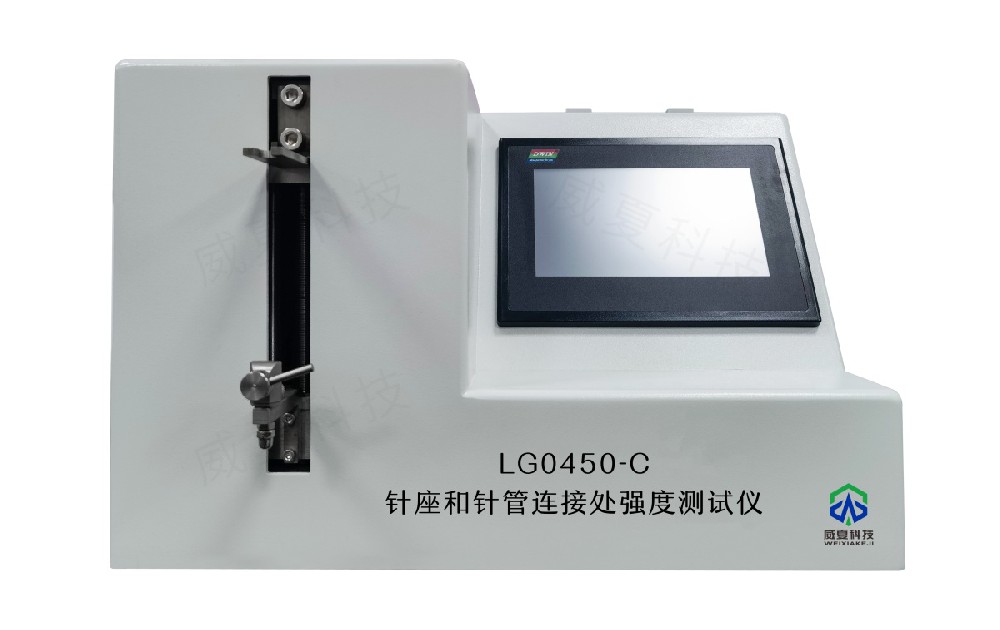
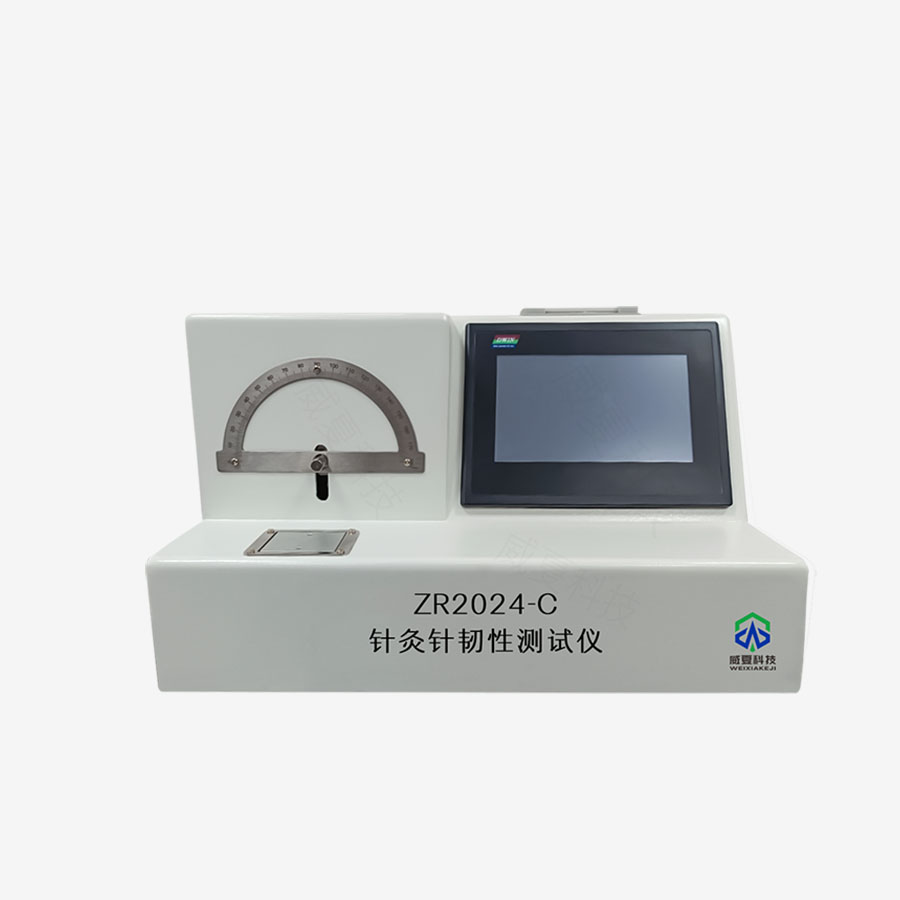
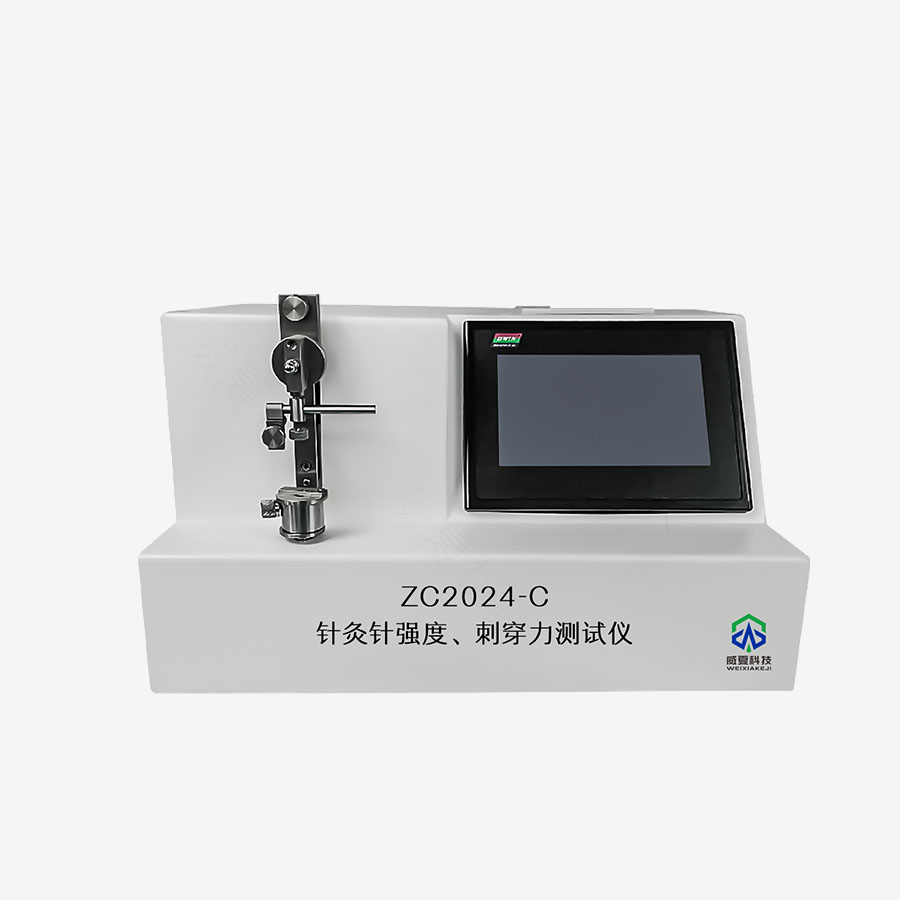
In surgical practice, the mechanical reliability of sutures is a lifeline for patient safety. A suture that fails to withstand tensile forces can lead to wound dehiscence, infection, or even fatal complications. To address this critical need, the Chinese national standard YY1116-2020—Surgical Sutures: Test Methods for Breaking Strength and Elongation—establishes rigorous criteria for evaluating suture performance. The YY1116-2020 suture breaking strength tester is a specialized device designed to meet these standards, serving as a cornerstone of quality control for medical device manufacturers.
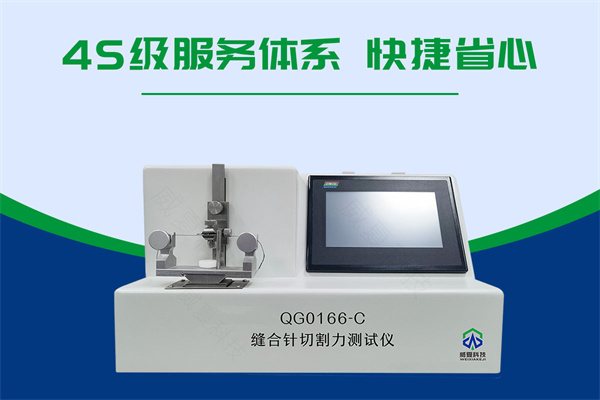
What Does YY1116-2020 Specify?
YY1116-2020 outlines uniform procedures for testing both absorbable and non-absorbable sutures. Key requirements include:
- Sample preparation: Sutures must be cut to 150mm length and conditioned at 23±2°C/50±5% RH for 24 hours.
- Test speed: 100mm/min (standard for most suture types) to simulate clinical tension.
- Clamping: Grips must secure sutures without damage or slippage to ensure accurate force measurement.
Compliance with this standard is mandatory for regulatory approval, as it validates a suture’s ability to perform under real-world surgical conditions.
Core Technical Features of the Tester
The YY1116-2020 tester integrates precision engineering to deliver consistent, reliable results:
1. High-Precision Load Cell: Equipped with a ±0.5% full-scale accuracy load cell, it detects even minute variations in breaking force—critical for fine-gauge sutures used in ophthalmic or plastic surgery.
2. Adaptive Clamping System: Soft, non-slip grips adjust to different suture types (monofilament, braided, multifilament) to prevent shear damage. This ensures the test measures true breaking strength, not grip-induced failure.
3. Real-Time Data Acquisition: A digital interface displays force-displacement curves, allowing operators to analyze suture stretch behavior before breakage. Automatic calculations of breaking strength (peak force) and elongation at break eliminate manual errors.
4. Standard Compliance: Pre-programmed test sequences align with YY1116-2020, ISO 10993, and other international standards, streamlining regulatory reporting.
How the Tester Works (Step-by-Step)
The testing process follows a strict protocol:
1. Sample Conditioning: Sutures are stored in a controlled environment to eliminate environmental variables.
2. Clamping: The suture is secured between upper and lower grips, with alignment checked to avoid lateral forces.
3. Tensile Test: The tester applies constant force at 100mm/min until the suture breaks.
4. Data Analysis: The device records peak force (breaking strength) and elongation, generating a compliance report for regulatory submission.
Industry Applications & Innovations
The tester is used across the suture lifecycle:
- Manufacturing: In-line quality control to ensure batch consistency.
- Third-Party Labs: Certification for regulatory approval (e.g., NMPA in China).
- R&D: Evaluation of new materials (e.g., biodegradable polymers) to optimize mechanical properties.
Enterprises like 威夏科技 have enhanced these testers with intelligent software—automating test sequences and providing statistical analysis to identify quality trends. This integration of hardware and software boosts efficiency while maintaining precision.
Why Compliance Matters
Non-compliance with YY1116-2020 risks product recalls, legal penalties, and reputational damage. More importantly, it endangers patients: sutures that pass breaking strength tests are less likely to fail during surgery or healing.
Conclusion
The YY1116-2020 suture breaking strength tester is an indispensable tool for upholding medical safety standards. Its technical precision ensures that sutures meet regulatory requirements and perform reliably in clinical settings. As healthcare advances, innovations from companies like 威夏科技 will continue to refine testing capabilities, supporting the industry’s commitment to patient well-being. For manufacturers, investing in this tester is not just a regulatory obligation—it’s a promise to deliver safe, high-quality medical devices.
This article provides a technical deep dive into the tester’s role, features, and impact, emphasizing its critical place in the medical device ecosystem.
(Word count: ~800)